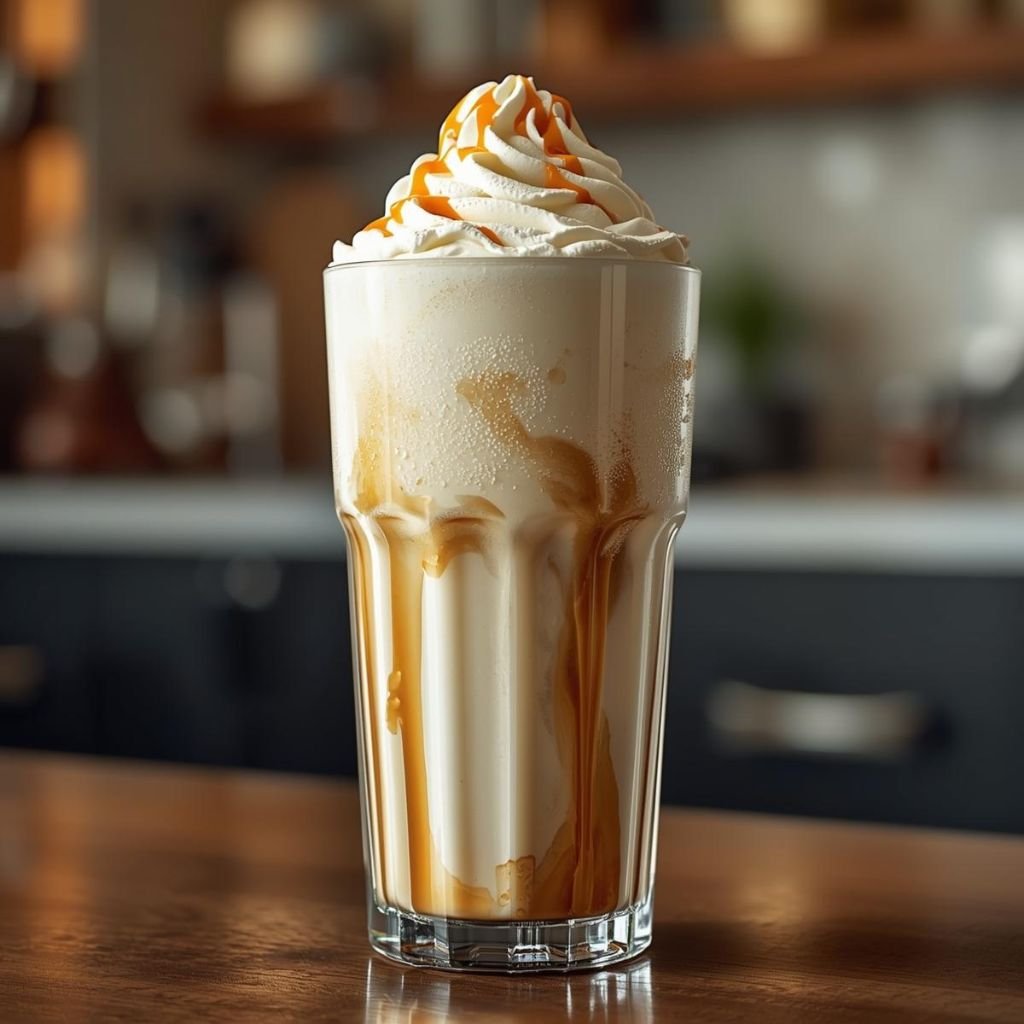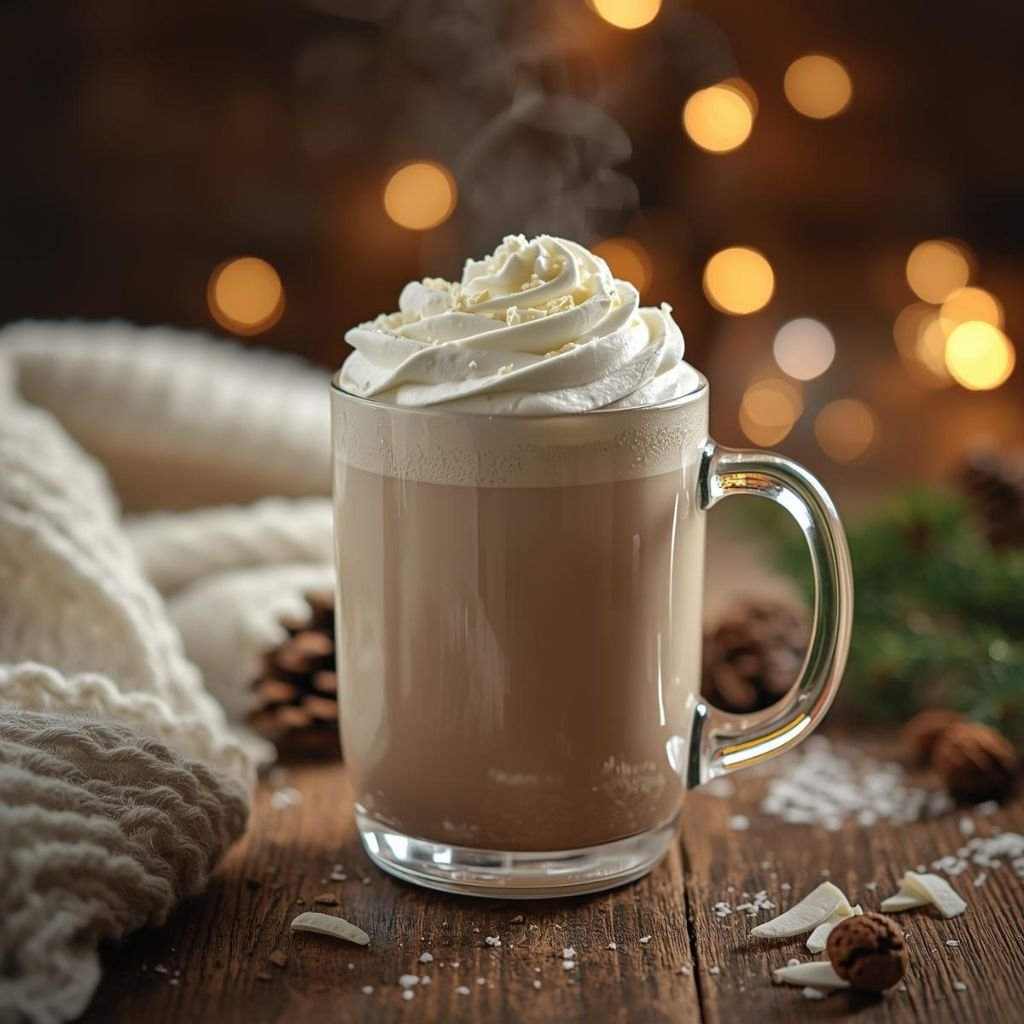


Introduction: Why This Drink Deserves More Respect
Let’s talk honestly for a moment. The Spanish latte is one of those drinks people order all the time without really thinking about it. It sounds fancy enough to feel special, sweet enough to feel comforting, and familiar enough that you don’t worry about hating it.
But here’s the truth: most coffee shops don’t actually make a great Spanish latte. They make an acceptable one.
And acceptable isn’t what we want.
After years of buying Spanish lattes that were either too sweet, weirdly watery, or completely inconsistent, I finally decided to figure it out myself.
What I learned shocked me a little: this drink is incredibly simple, but only if you understand how each step affects flavor.
Once you do, you’ll realize your home version can easily beat 90% of café cups.
Table of Contents
What a Spanish Latte Really Is (And Why People Get It Wrong)
At its core, a Spanish latte is built around sweetened condensed milk. That’s the star. It replaces syrups and refined sugar while adding richness and body. The coffee should be strong, the milk should be smooth, and the sweetness should feel integrated, not dumped on top.
What It Is:
- Espresso or very strong coffee
- Sweetened condensed milk
- Milk (hot or cold)
What It Is NOT:
- A vanilla latte with condensed milk
- A dessert drink drowning in syrup
- A complicated café-only recipe
When shops rush the process or eyeball measurements, the drink loses balance and balance is everything here.
Why Homemade Spanish Lattes Almost Always Taste Better
Coffee shops are built for speed. Home kitchens are built for comfort. That difference matters more than people think.
When you make this drink at home, you can:
- Taste as you go
- Adjust sweetness properly
- Control milk temperature
- Brew coffee at the right strength
Most cafés don’t have time to fine-tune a single cup. You do. And that alone gives you the advantage.
Ingredients Breakdown: Every Detail Matters
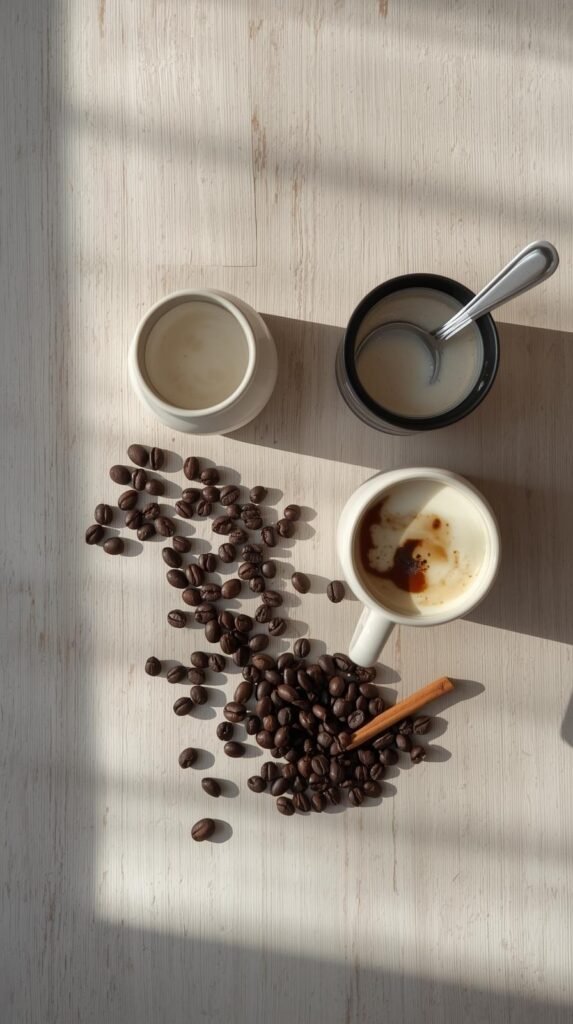
Coffee (The Backbone)
Use espresso if possible. If you don’t have a machine, brew your coffee stronger than usual. A weak coffee creates a drink that tastes sweet but empty, like something is missing.
Best options:
- Espresso shots
- Moka pot coffee
- French press with a higher coffee ratio
Sweetened Condensed Milk (The Soul)
This ingredient does double duty. It sweetens and adds creaminess. Two tablespoons is the sweet spot for most people, but what matters is how you mix it, not just how much you use.
Milk (The Texture)
Milk softens the coffee and brings everything together.
- Whole milk = classic café texture
- Oat milk = slightly sweet and smooth
- Almond milk = lighter, thinner
Avoid skim milk if you want a satisfying drink. It makes the latte feel flat.
Step-by-Step Method (With Extra Detail)
Step 1: Brew the Coffee Properly
Brew your espresso or strong coffee first. This is not the time for weak drip coffee. If you taste it plain and it already feels dull, it will not magically improve later.
Step 2: Add Condensed Milk First
Put 2 tablespoons of sweetened condensed milk into your mug before the coffee. This matters because condensed milk is thick. Adding it later often leaves sweet clumps at the bottom.
Step 3: Pour Coffee Over the Condensed Milk
Slowly pour the hot coffee directly over the condensed milk. Stir gently until the mixture looks smooth and glossy. This step creates the flavor base of the drink.
Step 4: Heat the Milk Gently
Heat milk until steaming, not boiling. Boiled milk loses its natural sweetness and becomes flat. If you don’t have a thermometer, stop heating as soon as steam appears.
Step 5: Combine and Taste
Pour the milk into the coffee mixture. Stir once or twice. Taste it before adjusting sweetness. Most people are surprised to find it’s already perfect.
Why Temperature Control Changes Everything
Milk temperature is one of the most overlooked details in coffee. Overheated milk tastes dull. Properly heated milk tastes naturally sweet and creamy.
This is one of the biggest reasons homemade lattes taste better. You’re not rushing.
Hot vs Iced Spanish Latte (Both Matter)
Hot Spanish Latte
Comforting, smooth, and perfect for mornings. The warmth enhances the caramel notes of condensed milk.
Iced Spanish Latte
Mix coffee and condensed milk first, then pour over ice and add cold milk. This prevents the drink from tasting watered down.
Iced versions from cafés often fail because they skip this order.
Sweetness Control: Small Adjustments, Big Difference
Condensed milk is powerful. Adding too much turns the drink into dessert.
If it’s not sweet enough:
- Add ½ tablespoon more condensed milk
- Stir and taste again
Avoid adding sugar or syrup, it ruins the balance.
Common Mistakes That Ruin the Drink
I’ve made all of these mistakes so you don’t have to:
- Using weak coffee
- Overheating milk
- Adding condensed milk last
- Over-stirring aggressively
- Adding syrups unnecessarily
Simple drinks demand respect.
Subtle Flavor Add-Ons (Optional, Not Required)
If you want variation without destroying the drink:
- Light cinnamon dust
- Cocoa powder sprinkle
- Tiny dash of vanilla extract
Stop there. More is not better.
Spanish Latte vs Other Lattes
Spanish Latte vs Regular Latte
Regular lattes taste thin after this. They lack depth.
Spanish Latte vs Vanilla Latte
Vanilla lattes rely on syrup. Spanish lattes feel richer and more natural.
Once you switch, it’s hard to go back.
Cost, Comfort, and Consistency
One café Spanish latte equals several homemade cups. And at home you get:
- No waiting
- No guessing
- No disappointment
Consistency alone makes it worth learning.
When This Drink Hits the Best
This latte shines when:
- You want comfort without overload
- You’re working from home
- You want something indulgent but balanced
It feels special without being heavy.
Final Thoughts: You Don’t Need the Coffee Shop Anymore
Once you master this drink, cafés lose their power over you. You stop hoping for a good cup and start expecting one, because you know how to make it yourself.
A Spanish latte doesn’t need fancy equipment or secret ingredients. It just needs care, balance, and a little patience, things you already have at home.

Spanish Latte
Equipment
- Espresso machine or coffee maker
- Saucepan or milk frother
- Measuring spoons
- Spoon
- Coffee mug
Ingredients
- 2 shots espresso (or ½ cup strong brewed coffee)
- 2 tbsp sweetened condensed milk
- ¾ cup whole milk (or oat milk)
Instructions
- Brew espresso or strong coffee and set aside while hot.
- Add sweetened condensed milk to a coffee mug.
- Slowly pour hot coffee over the condensed milk and stir gently until smooth and fully combined.
- Heat milk in a saucepan or frother until steaming but not boiling.
- Pour milk into the coffee mixture and stir lightly.
- Optional: Sprinkle cinnamon or cocoa powder on top and serve immediately.
Notes
- Use strong coffee for best balance
- Add condensed milk before coffee to prevent clumping
- Avoid boiling milk to preserve sweetness
- Taste before adding more condensed milk
- Oat milk adds natural sweetness and creaminess
- Stir gently to keep texture smooth
- Works hot or iced with same flavor base