
Apple cider vinegar is one of those ingredients that sounds like something your grandmother swore by, your wellness influencer friend won’t stop talking about, and your skeptical brain keeps dismissing as overhyped.
Here’s the thing though, the research on apple cider vinegar is actually more solid than most “superfood” trends, and adding it to your daily smoothie is one of the most practical and palatable ways to use it consistently.
No drinking it straight from a spoon, no gagging, no questionable morning rituals. Just apple cider vinegar in smoothies that taste genuinely good while delivering real, documented metabolic benefits.
I spent three months adding ACV to my morning smoothies and tracked what changed. Here’s everything you need to know to do it right.
Table of Contents
What Apple Cider Vinegar Actually Does to Your Body
Before adding anything to your daily routine, you deserve to understand what it actually does, not what Instagram claims it does, but what the science actually supports.
The Documented Benefits Worth Knowing
Apple cider vinegar’s active compound is acetic acid, which produces several measurable effects in the body:
- Blood sugar regulation — acetic acid slows gastric emptying and inhibits digestive enzymes that break down starch. This produces a slower, more gradual rise in blood glucose after meals, which reduces insulin spikes and the fat storage that follows them
- Appetite suppression — multiple studies show that consuming ACV before or with meals reduces overall calorie intake, likely through a combination of delayed gastric emptying and acetic acid’s effect on hunger hormones
- Fat metabolism support — animal studies show acetic acid activates genes involved in fat burning. Human studies are smaller but suggest consistent ACV use contributes to reduced visceral fat over time
- Gut health — raw, unfiltered ACV contains the “mother” (the cloudy strands of beneficial bacteria and enzymes), which supports a healthy gut microbiome
What ACV cannot do: cure diseases, replace medication, produce dramatic weight loss on its own, or compensate for a genuinely poor diet. It’s a supporting ingredient with real benefits, not a miracle.
Why Smoothies Are the Best Delivery System for ACV
Here’s the honest problem with most ACV recommendations: drinking it straight or in water tastes awful. The acidity is harsh, it damages tooth enamel with repeated direct contact, and many people simply can’t maintain the habit because it’s unpleasant enough to skip.
Smoothies solve every problem simultaneously:
- Fruit masks the vinegar taste completely — the natural sugars and acidity of fruit blend seamlessly with ACV’s tang, making it undetectable in most recipes
- The straw delivery reduces enamel contact — drinking through a straw bypasses most tooth surface exposure
- The habit becomes enjoyable — you’re drinking something that tastes good, which makes consistency realistic rather than aspirational
- Protein and fiber in the smoothie amplify ACV’s satiety effect — combining ACV with high-protein, high-fiber ingredients creates a multiplicative fullness effect that extends well beyond what either produces alone
IMO, the smoothie format is genuinely the smartest way to use ACV daily, both for palatability and for maximizing the ingredient synergies.
The Exact Amount to Use – Don’t Skip This Section
This is the part where most people either underdo it (no effect) or overdo it (stomach irritation and enamel damage). The effective, safe daily amount is 1–2 tablespoons of ACV per day, ideally split or taken all at once in a morning smoothie.
Specific Dosing Guidelines:
- Beginners: Start with 1 teaspoon in your smoothie for the first week. Your digestive system needs to adjust to increased acidity, especially first thing in the morning on an empty stomach
- Week 2 onward: Increase to 1 tablespoon — this is where the documented benefits in most studies were observed
- Maximum: 2 tablespoons per day total — more than this increases the risk of digestive irritation, potassium depletion with very long-term use, and drug interactions for anyone taking certain medications
- Always use raw, unfiltered ACV with the mother — filtered ACV has removed the beneficial bacteria and enzymes that contribute to gut health benefits. Look for a product that looks cloudy rather than clear
Always dilute ACV, never add it to a smoothie with no liquid base. The acidity needs dilution to be safe for repeated daily consumption.
Which Smoothie Flavors Work Best With ACV
Not every smoothie flavor pairs equally well with apple cider vinegar. The key is matching ACV’s natural tartness with ingredients that either complement or overpower it.
Excellent ACV Pairings:
Tropical fruits: mango, pineapple, and passion fruit work best because their bold natural acidity actually integrates with ACV rather than clashing. The vinegar essentially reads as an additional fruit acid note.
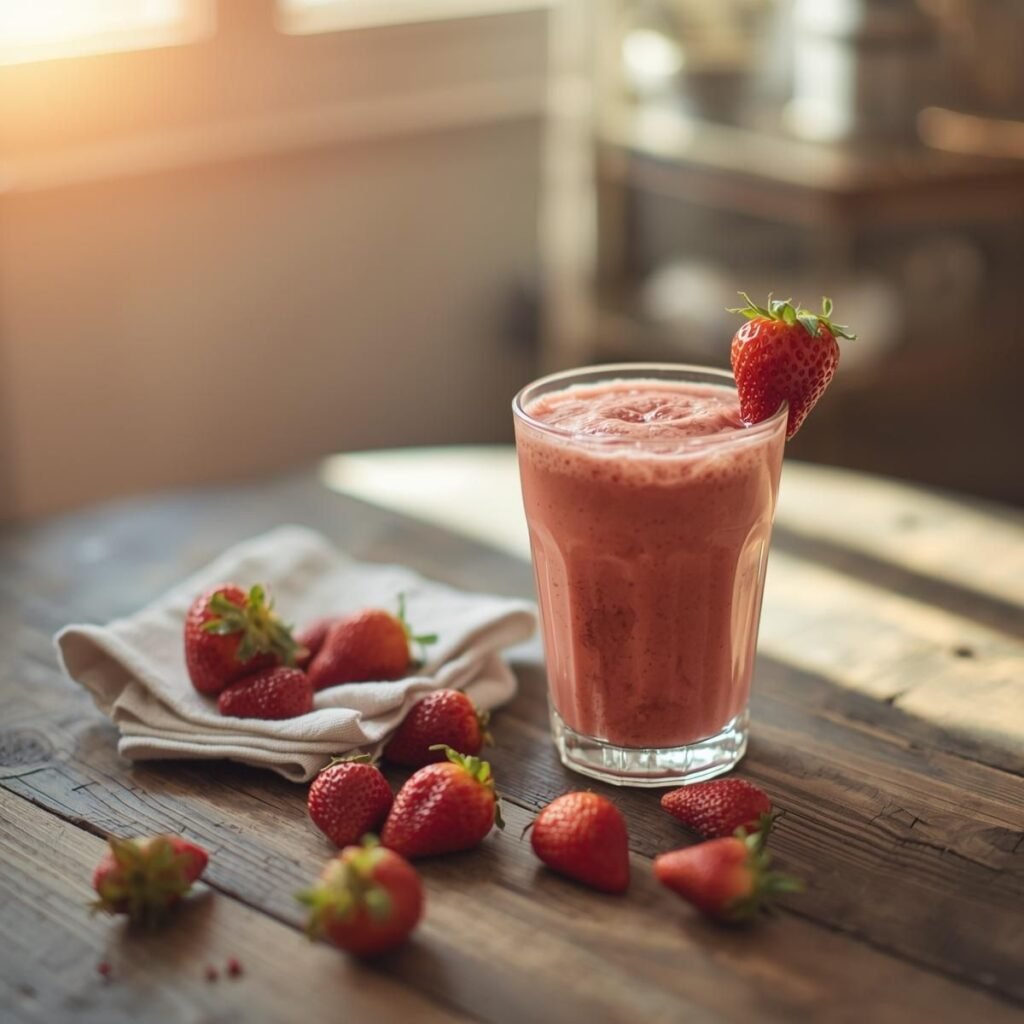
Berry blends: strawberries, blueberries, and raspberries all have enough natural tartness to make ACV completely invisible in the flavor profile.
Apple-based smoothies: the most obvious pairing and genuinely effective. Apple juice or fresh apple in the smoothie base echoes ACV’s apple flavor and creates complete cohesion.
Citrus combinations: lemon, lime, and orange all share ACV’s acidity and work together seamlessly.
Smoothie Flavors to Avoid Pairing With ACV:
Chocolate smoothies, the bitterness of cocoa and the sharpness of ACV fight each other unpleasantly. Vanilla-dominant smoothies, ACV’s tang disrupts the soft, floral vanilla profile noticeably. These flavor combinations work better without ACV.
5 ACV Smoothie Recipes That Actually Taste Good
Recipe 1: The Apple Ginger ACV Detox
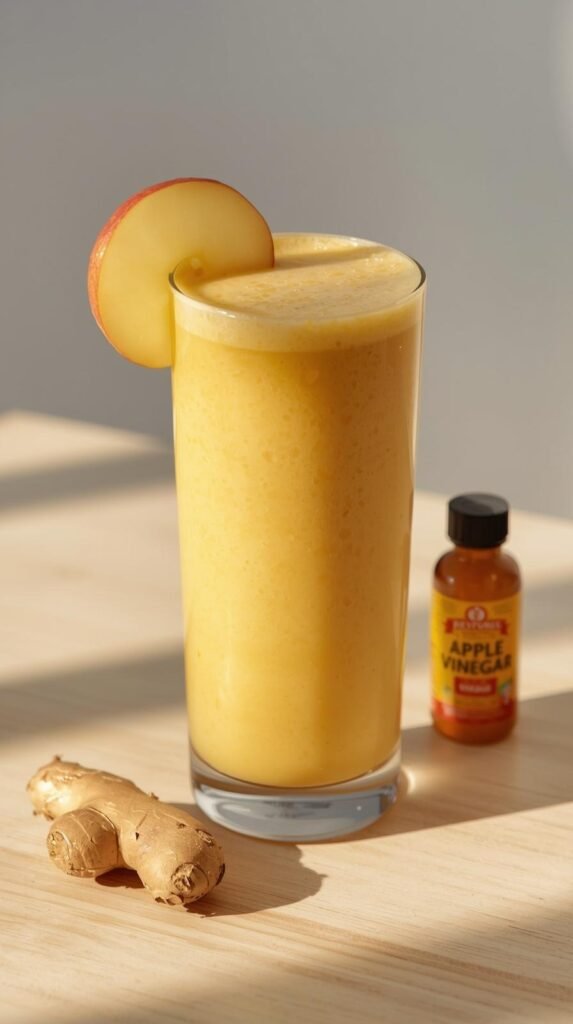
Why it works: Apple echoes the ACV flavor naturally. Ginger adds warmth and digestive support that amplifies ACV’s gut benefits.
- 1 cup frozen apple slices
- 1 tablespoon ACV
- 1 teaspoon fresh grated ginger
- ½ frozen banana
- 1 tablespoon honey
- 1 cup cold water or unsweetened almond milk
Blend 40 seconds. Clean, apple-forward, slightly spiced, ACV is completely undetectable.
Recipe 2: The Pineapple Mango ACV Tropical Blast
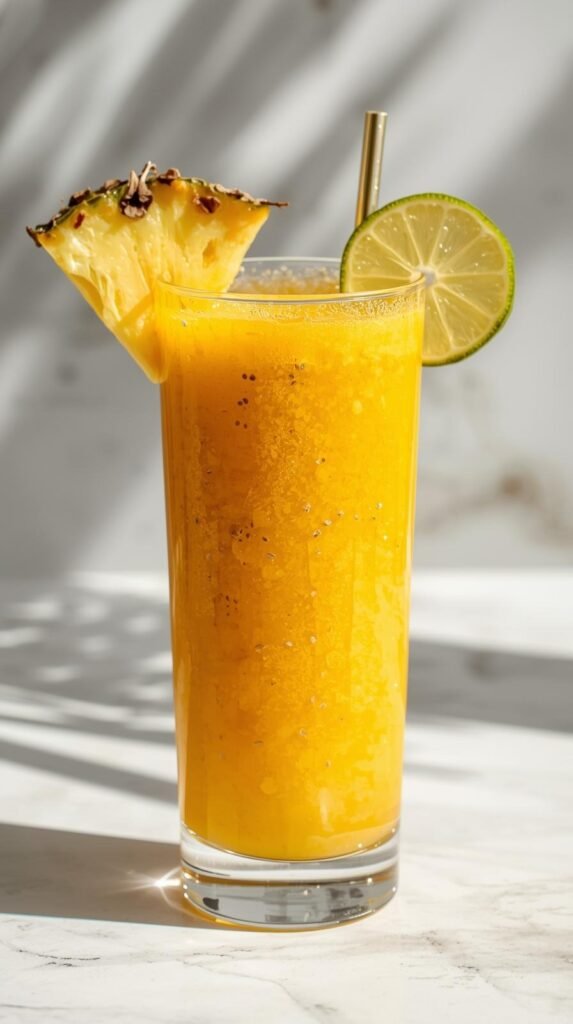
Why it works: Bold tropical flavors completely overpower ACV’s tang while the natural fruit enzymes amplify digestion support.
- 1 cup frozen pineapple
- ½ cup frozen mango
- 1 tablespoon ACV
- 1 tablespoon chia seeds
- ¾ cup coconut water
- Squeeze of fresh lime
Blend 45 seconds. Bright, tropical, refreshing, the lime juice and ACV merge into a seamless citrus note.
Recipe 3: The Berry Metabolism Booster
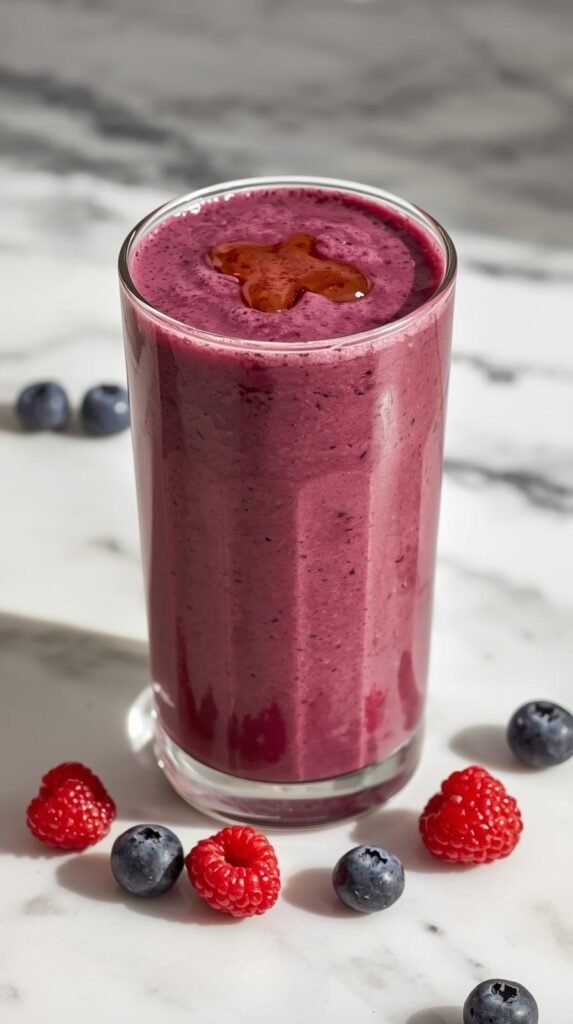
Why it works: Mixed berries’ natural tartness hides ACV completely. The chia seeds and flaxseed amplify satiety alongside ACV’s appetite-suppressing effect.
- 1 cup frozen mixed berries
- 1 tablespoon ACV
- 1 tablespoon ground flaxseed
- ½ cup plain Greek yogurt (or coconut yogurt for dairy-free)
- ¾ cup unsweetened almond milk
- 1 teaspoon honey
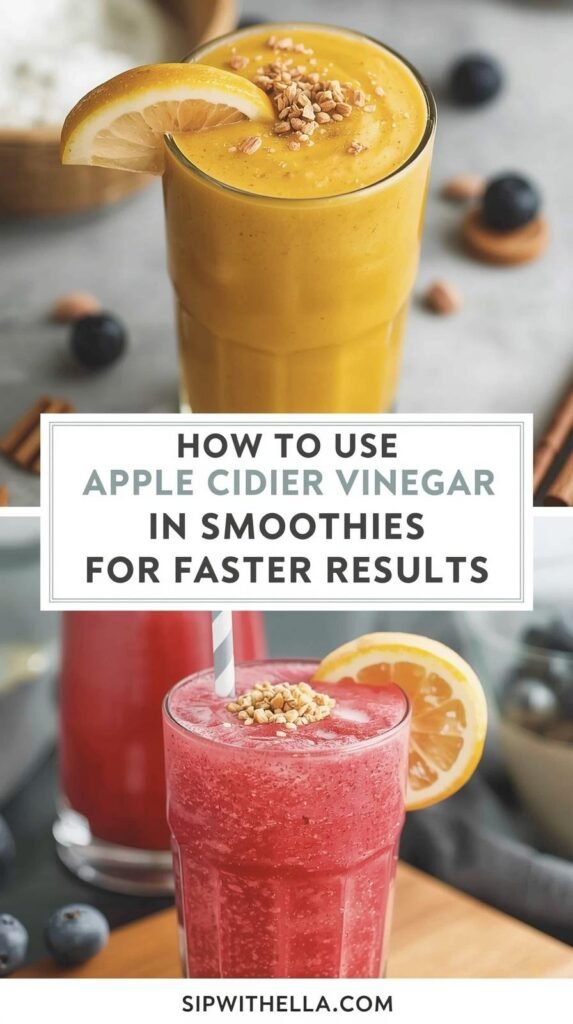
Blend 40 seconds. Deep berry flavor with zero vinegar taste. This is the most reliable beginner ACV smoothie on the list because the berries do all the masking work.
Recipe 4: The Lemon Ginger ACV Morning Shot Smoothie
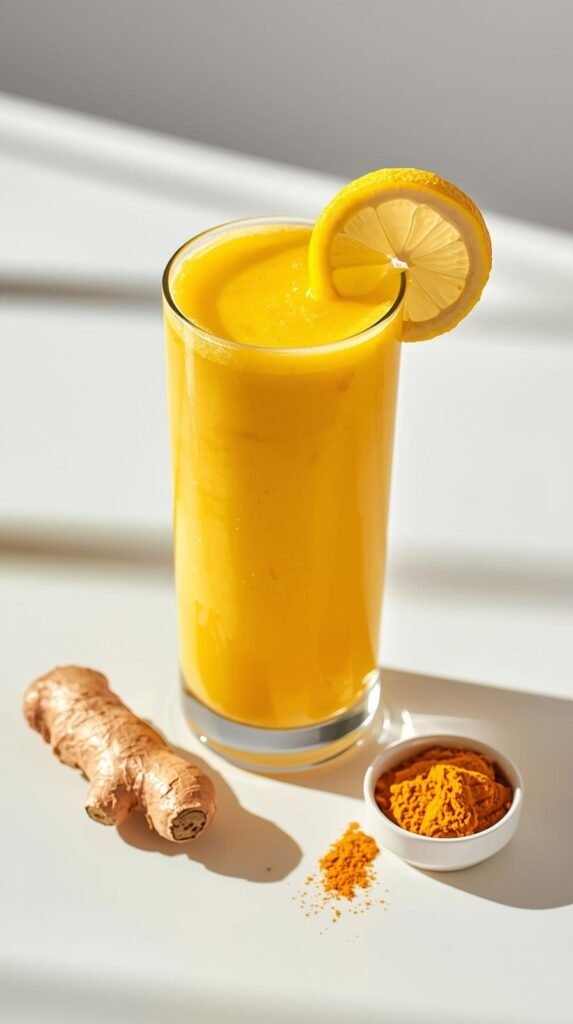
Why it works: This recipe leans into the tartness rather than hiding it, creating a bright, almost citrusy drink that feels genuinely energizing. The name says “morning shot” because it delivers that kind of wake-up impact in smoothie form.
- 1 frozen banana
- 1 tablespoon ACV
- Juice of 1 lemon
- 1 teaspoon fresh grated ginger
- ½ teaspoon turmeric
- Pinch of black pepper
- 1 cup cold water
- 1 tablespoon honey
Blend 40 seconds. Bright, punchy, warming. This one tastes intentionally tart, not for the faint-hearted on Day 1 but absolutely brilliant once you’ve adjusted to ACV in smoothies
Recipe 5: The Green Apple ACV Fat Burner
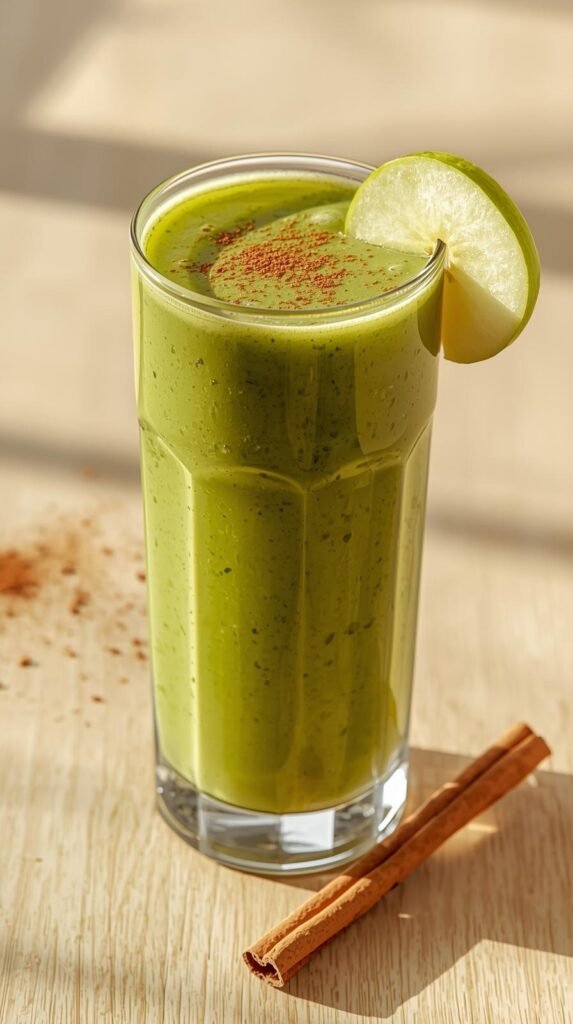
Why it works: Green apple’s tartness and high pectin content work synergistically with ACV’s acetic acid for a combined blood sugar regulation effect that exceeds either ingredient alone.
- 1 green apple, cored and chopped (or 1 cup frozen green apple)
- 1 large handful baby spinach
- 1 tablespoon ACV
- 1 tablespoon almond butter
- 1 cup unsweetened oat milk
- ½ frozen banana
- 1 teaspoon cinnamon
Blend 45 seconds. Crisp, apple-forward, with a warming cinnamon finish. The spinach is completely invisible. This is the most metabolically complete ACV smoothie on the list, blood sugar regulation from ACV, cinnamon, and green apple pectin all working simultaneously.
Important Safety Considerations: Read This Before Starting
Apple cider vinegar is safe for most healthy adults at recommended doses, but several important precautions apply:
- Never drink ACV undiluted — undiluted acetic acid damages tooth enamel and esophageal tissue with repeated exposure
- Consult your doctor if you take diabetes medication or diuretics — ACV affects blood sugar and potassium levels, which can interact with certain medications
- Don’t use ACV if you have active acid reflux or GERD — adding more acidity typically worsens these conditions
- Rinse your mouth with water after drinking any ACV-containing beverage — even through a straw, some acid contacts teeth. A quick water rinse reduces enamel exposure significantly
- Stop if you experience persistent stomach pain — some people develop digestive irritation from ACV, particularly on an empty stomach. If discomfort persists beyond the first week, reduce the dose or discontinue
FYI, the most common mistake people make with ACV is starting with too much too quickly. One teaspoon for the first week is genuinely the right approach, regardless of how eager you are for faster results.
How to Make ACV a Sustainable Daily Habit
Here’s the honest truth about apple cider vinegar for faster results: consistency over weeks produces meaningful benefits; a single smoothie produces essentially nothing.
The blood sugar regulation, appetite suppression, and fat metabolism support all require daily, consistent ACV consumption for at least 4–8 weeks to produce observable results.
Building that consistency requires making the habit frictionless:
- Keep ACV on the counter next to your blender — out of sight means out of habit
- Measure it the night before into a small cup if you prep smoothie packs, it’s one less decision in the morning
- Pair it with a smoothie you genuinely enjoy — if the smoothie tastes good, you drink it every day. If it tastes like punishment, you quit by Week 2
- Track how you feel, not just what you see — energy levels, digestion, mid-morning hunger, afternoon cravings, these improve faster than visible fat loss and give you motivation to maintain the habit
Final Thoughts: Consistent, Smart, and Actually Delicious
Using apple cider vinegar in smoothies is one of the most practical upgrades you can make to your daily routine, grounded in real science, easy to execute, and completely sustainable when you find the right flavor pairings.
One tablespoon per day, blended into a tropical or berry smoothie that hides the flavor completely, consumed consistently for 4–8 weeks.
That’s the entire strategy. No complicated protocol, no expensive supplements, no morning rituals that make you dread waking up.
Start with Recipe 1 or Recipe 3, those are the most beginner-friendly and the most reliably delicious. Add one teaspoon this week, build to one tablespoon next week, and give it the full 30 days before evaluating results.
Your metabolism responds to consistency, not intensity. One tablespoon a day, every day, beats a dramatic one-week ACV experiment every single time.