
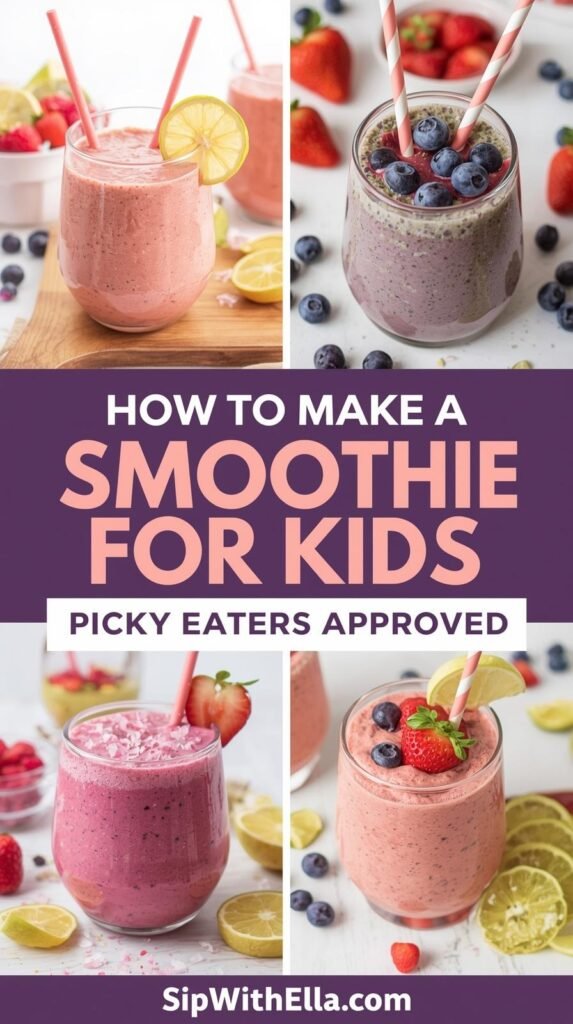
If your kid has ever looked at a perfectly made smoothie and said “I don’t like it” before even tasting it, welcome to the club. Parenting a picky eater is basically a full-time negotiation job, and getting real nutrition into them feels like solving a puzzle with half the pieces missing.
But here’s the thing: Smoothie for kids are one of the greatest secret weapons a parent has. Done right, they hide vegetables, pack in protein, and taste like dessert. Let me show you exactly how to make it work.
Table of Contents
Why Smoothies Work So Well for Picky Eaters
Kids are suspicious of food they can see. The moment they spot a piece of spinach or a chunk of banana, the negotiation begins and usually ends with someone in tears (sometimes you). Smoothies solve this problem beautifully because everything blends together into one color, one texture, one drinkable experience.
There’s no “picking out” the things they don’t like. There’s no identifying individual vegetables. There’s just a delicious, cold, creamy drink that they’ll ask for again. IMO, it’s one of the cleverest parenting hacks that doesn’t require a psychology degree to pull off.
The Golden Rules of Making Smoothies Kids Actually Drink
Rule 1: Always Lead With Flavor They Already Love
You don’t start a picky eater negotiation by leading with kale. You lead with strawberries, mango, or banana, fruits they already know and enjoy. Build the flavor base around what they trust, then quietly add the good stuff around it.
Once the base flavor is strong and familiar, they won’t detect the spinach, the flaxseed, or the protein powder hiding in the background. The sweet fruit does the heavy lifting so the nutrients can sneak in unnoticed.
Rule 2: Keep the Color Consistent
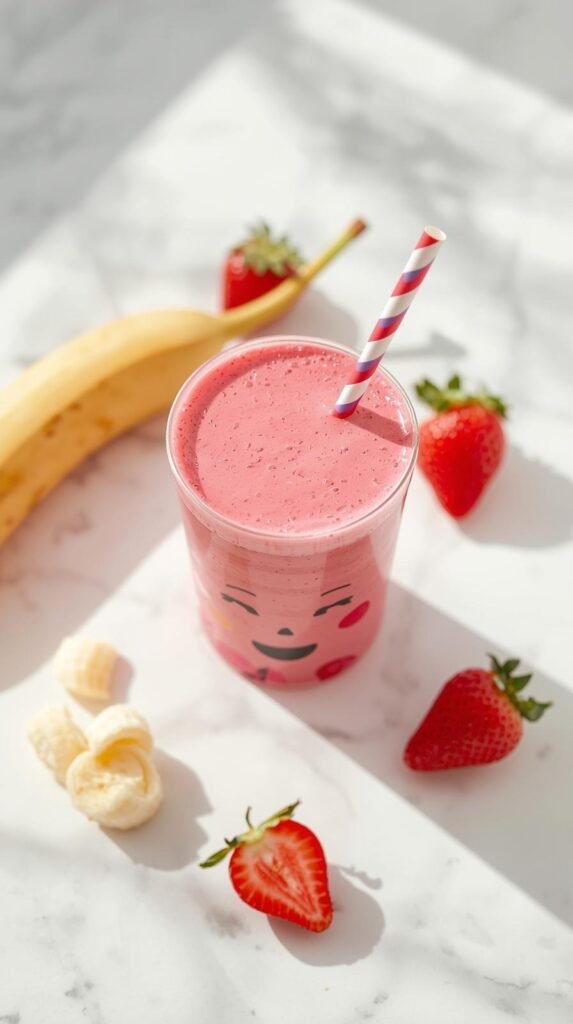
Kids eat with their eyes first. A brown smoothie raises questions. A bright pink or vibrant purple smoothie? That’s exciting. Color matters more than you think when you’re dealing with a skeptical six-year-old.
If you’re adding spinach or kale, balance it with enough mango or pineapple to keep the color green and bright, not murky. A muddy brown smoothie is a hard sell for adults too, let’s be honest.
Rule 3: Nail the Texture
Picky eaters are often texture-sensitive. A watery, thin smoothie feels wrong to them, like drinking something that should have been thicker. Always aim for a thick, creamy, milkshake-like consistency.
Frozen fruit is your best friend here because it chills and thickens the smoothie simultaneously without diluting the flavor like ice does.
A spoonful of Greek yogurt or a half banana adds creaminess and body that makes the smoothie feel substantial and satisfying, not like a watery health drink their parents are forcing on them.
The Best Base Ingredients for Kids’ Smoothies
Let’s break down the building blocks of a kid-friendly smoothie that even the pickiest little critics will approve:
Fruit Base (pick 1–2):
- Frozen strawberries — universally loved, naturally sweet
- Frozen mango chunks — tropical and rich in flavor
- Bananas—add creaminess and sweetness
- Frozen blueberries—great for a purple color kids find fun
Liquid Base (pick 1):
- Whole milk—familiar taste, adds protein
- Unsweetened almond milk—a lighter option
- Coconut milk — slightly sweet, great tropical flavor
- Orange juice—adds brightness, pairs with tropical fruits
Creamy Add-In (pick 1):
- Plain Greek yogurt—adds protein and a thick texture
- Avocado—sounds weird, tastes incredibly creamy, totally invisible in flavor
- Frozen banana — doubles as both sweetener and texture builder
Hidden Nutrition (add quietly):
- A small handful of baby spinach—you genuinely cannot taste it with enough fruit
- Ground flaxseed—zero detectable taste, big nutritional win
- Chia seeds blend in completely and add omega-3s and fiber
- A small piece of zucchini (frozen)—I know, just trust me on this one
3 Kid-Approved Smoothie Recipes to Start With
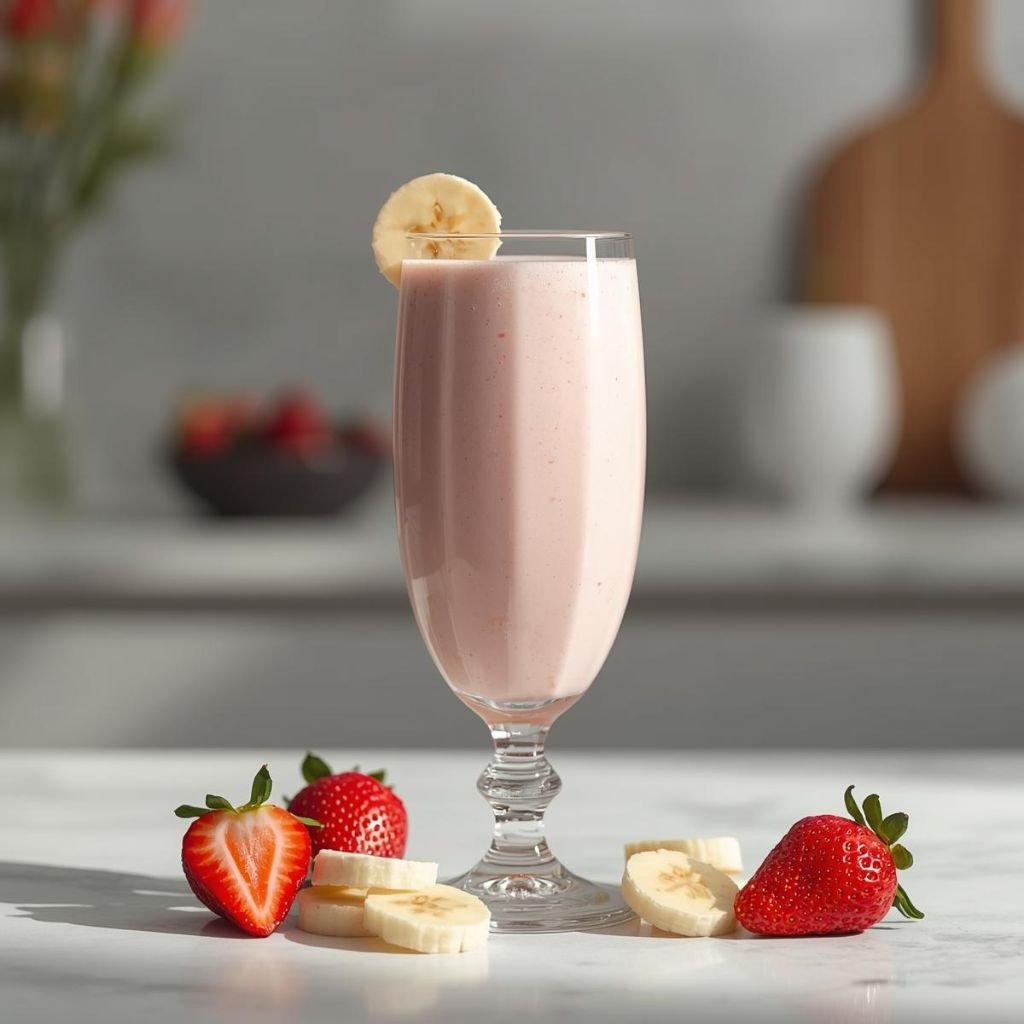
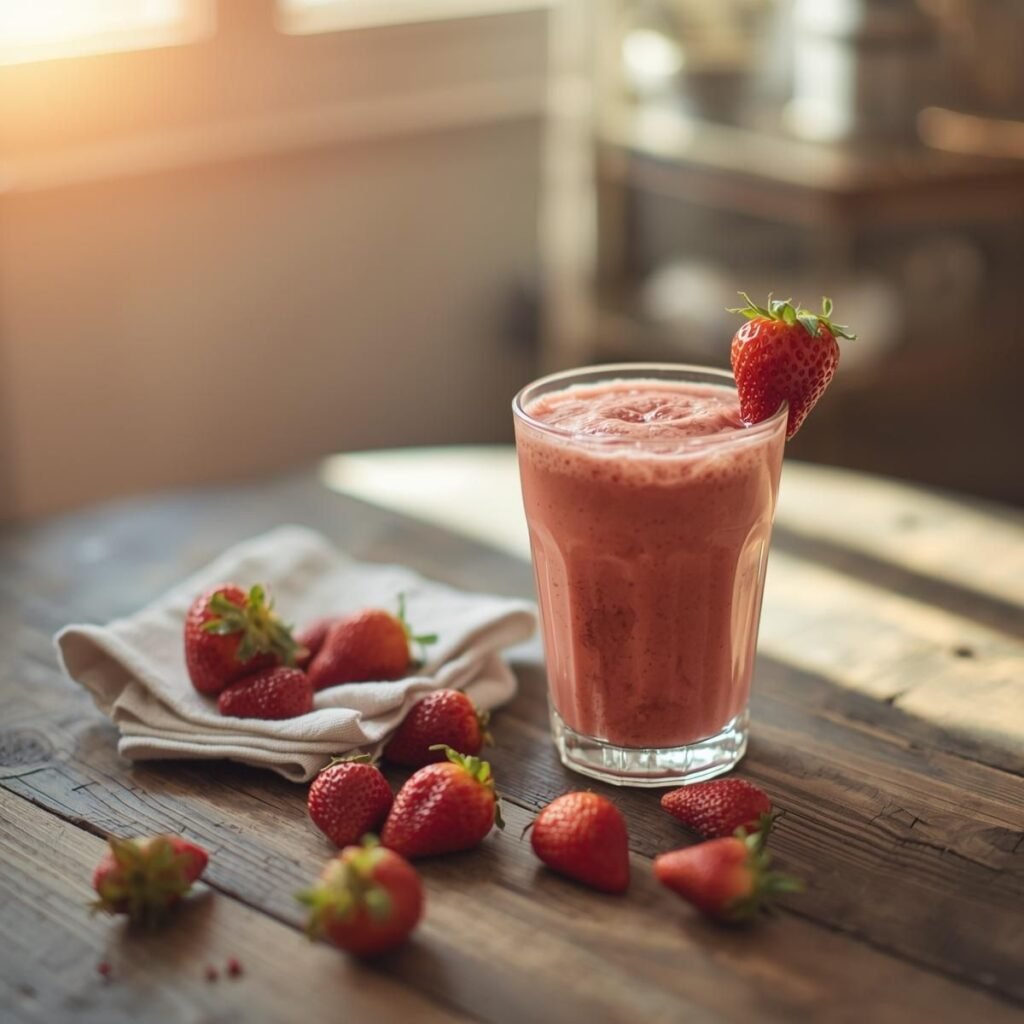
Recipe 1: The Strawberry Banana Classic
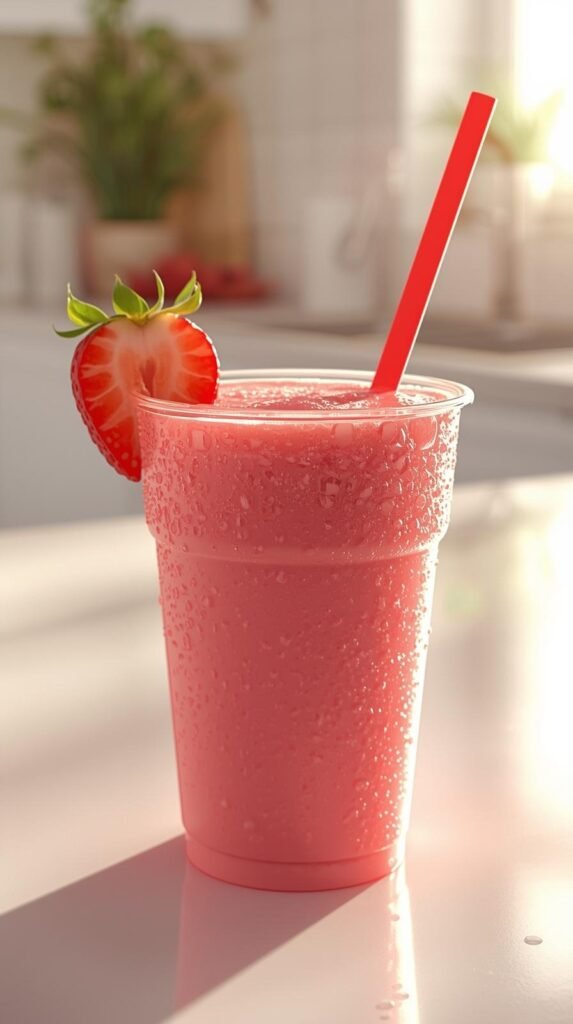
This is the smoothie that converts picky eaters. Every single time.
- 1 cup frozen strawberries
- 1 ripe banana
- ½ cup plain Greek yogurt
- ¾ cup whole milk or almond milk
- Optional: 1 tablespoon honey for extra sweetness
- Hidden nutrition: 1 handful baby spinach (the pink color from strawberries completely masks it)
Blend until smooth and serve immediately. The color stays bright pink, the taste is pure strawberry banana, and the spinach is completely undetectable. Total parenting win.
Recipe 2: The Tropical Sunshine Smoothie
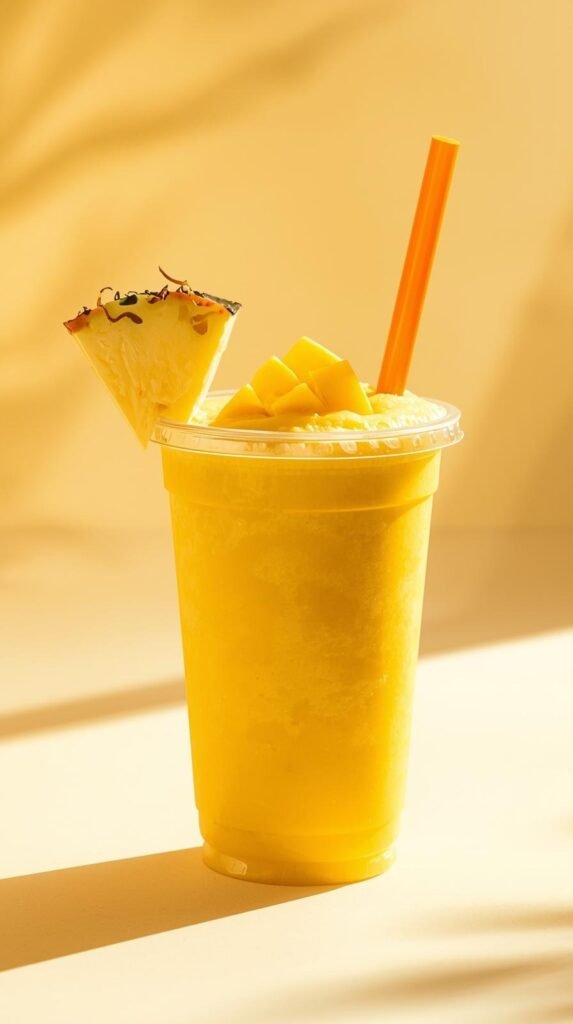
Perfect for kids who love bold, sweet flavors:
- 1 cup frozen mango chunks
- ½ cup frozen pineapple
- ½ banana
- ¾ cup orange juice or coconut milk
- Hidden nutrition: 1 tablespoon ground flaxseed, small piece of frozen zucchini
Blend on high until completely smooth. The mango and pineapple flavors dominate completely, the zucchini adds zero taste and just ups the nutritional value quietly. Kids think it tastes like a tropical vacation. You know it’s basically a multivitamin. Everyone wins.
Recipe 3: The Purple Monster Smoothie
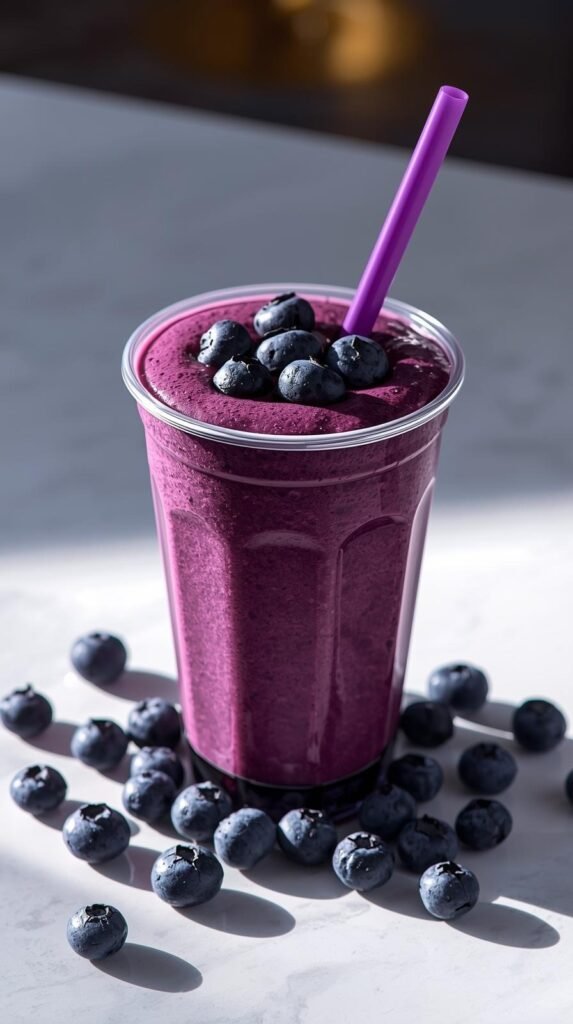
Kids love a smoothie with a fun name almost as much as a fun flavor:
- 1 cup frozen blueberries
- ½ banana
- ½ cup plain yogurt
- ¾ cup almond milk
- Hidden nutrition: 1 teaspoon chia seeds, small handful of spinach (the deep purple covers it completely)
Blend and serve with a fun straw. Call it “The Purple Monster Smoothie” and watch them drink it enthusiastically. FYI, blueberries are one of the most antioxidant-rich fruits you can use, so this one is genuinely impressive nutritionally.
How to Involve Picky Eaters in the Process
Ever noticed that kids are more willing to eat food they helped make? It’s not magic; it’s ownership. When a child chooses the fruit, presses the blender button, or pours the milk themselves, they develop a connection to what they made. Involving them in the process dramatically increases the chance they’ll actually drink it.
Let them pick between two fruit options. Let them drop the ingredients into the blender. Let them watch it blend and get excited about the color. The smoothie stops being something you made for them and becomes something they made with you. That’s a completely different dynamic with picky eaters.
What to Avoid When Making Smoothies for Picky Kids
A few things can derail even the best smoothie recipe when kids are involved:
- Too many new flavors at once—introduce one new ingredient at a time
- Visible chunks or seeds—blend longer than you think you need to
- Making it too healthy-tasting—if it tastes like a green juice, you’ve gone too far
- Using unsweetened cocoa powder without enough banana—bitter and thin is a hard no
- Skipping the cold—a room-temperature smoothie is just sad; always use frozen fruit or serve immediately
The goal isn’t a perfect nutritional score. The goal is a drink your child actually consumes regularly. A smoothie they drink every morning beats a “perfect” smoothie they refuse every time.
Making Smoothie Prep Easy for Busy Parents
Here’s a time-saving move that changes everything: build freezer smoothie packs in advance. On Sunday, portion out your fruit, hidden vegetables, and add-ins into zip-lock bags. Flatten them and stack them in the freezer.
On a busy morning, you grab one pack, dump it in the blender, add milk and yogurt, and blend. Done in under two minutes.
This removes the daily prep barrier that makes parents skip the smoothie and reach for a cereal box instead. Consistent mornings become genuinely easy when the work is already done.
The Presentation Factor: It Matters More Than You Think
A smoothie in a plain glass is just a drink. A smoothie in a fun cup with a colorful straw and maybe a strawberry on the rim? That’s an experience. Kids respond to presentations in a way that honestly surprises most parents the first time they try it.
Use fun reusable cups, character straws, or even smoothie bowls with toppings they can arrange themselves. Granola, banana slices, and a few blueberries on top—suddenly the picky eater is excited about breakfast.
The smoothie hasn’t changed; the presentation made all the difference.
Final Thoughts: You’ve Got This
Making smoothies for picky eater kids isn’t about sneaky parenting or tricking your child. It’s about meeting them where they are, using flavors they trust and textures they enjoy, while quietly giving their growing bodies what they need. Start simple, stay consistent, and let them get involved.
The picky eater who refused every vegetable last week might be enthusiastically drinking a spinach-packed strawberry smoothie by next month. You just have to make it taste like their idea of delicious, not yours.
Start with one of those three recipes today. I promise the blank stare and “I don’t like it” moment is closer to the beginning of this story than the end.